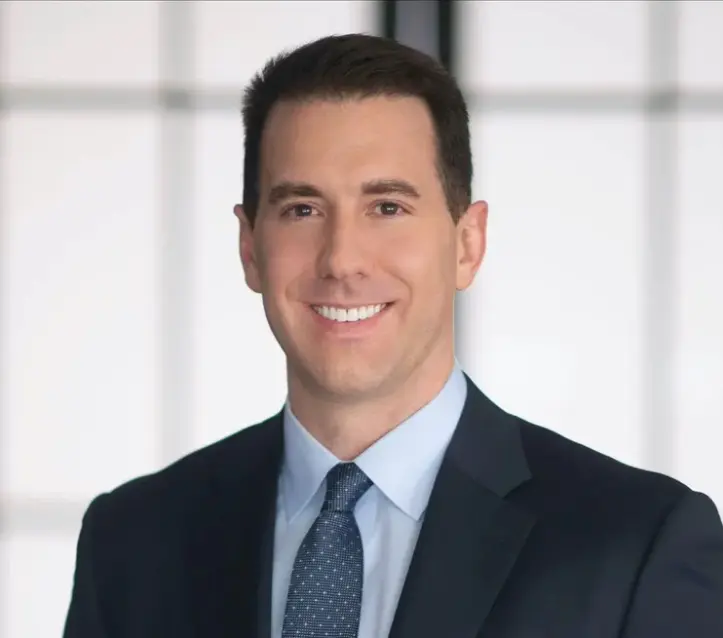
Clear communication is often the difference between uncertainty and confidence in legal representation. Attorney Chris Jackman has built his practice around that principle, placing structured client communication at the center of professional standards.
As the owner and managing attorney of The Jackman Law Firm, he has led the firm from a single office in Seattle to a multi-state presence serving clients in Washington, Colorado, and Texas. The firm’s growth has been guided by defined values, including a strict policy of responding to client inquiries within 24 hours.
This commitment reflects a broader belief shared by Chris Jackman Attorney that communication is not a courtesy. It is a responsibility. For clients navigating complex legal matters, structured communication policies provide clarity, predictability, and trust.
Communication as a Professional Standard
Legal matters often involve significant life decisions. Clients are asked to provide documents, make strategic choices, and prepare for hearings or negotiations. In that environment, silence can create anxiety.
Chris Jackman Lawyer Washington emphasizes that law firms should treat communication as a measurable standard rather than an informal practice. Clear timelines, defined response windows, and consistent updates create accountability within a legal team.
The firm has as part of their guiding principles both client focus and responsibility for the work being done. This means ensuring that an inquiry does not go without response and that the client understands what their next steps are in the process of their case.
When clients are trying to evaluate legal representatives, one simple question that they may have is what the communication policy is for that particular firm.
The 24 Hour Response Benchmark
One of the clearest examples of structured communication is a 24 hour response standard. The Jackman Law Firm maintains a strict policy of always communicating with clients within 24 hours when they reach out regarding their case.
This benchmark does not mean every issue is resolved in a single day. It means that every inquiry is acknowledged, and next steps are clarified. Even a brief update can reassure a client that progress is being made.
For clients, a 24 hour standard signals discipline. It demonstrates that the firm has invested in operational processes rather than relying on informal habits.
Creating Internal Accountability
Structured communication policies do not operate on intention alone. They require internal accountability.
Chris Jackman Lawyer Washington has led a firm culture centered on ownership of work. When each team member understands their responsibility for responding to clients, communication becomes part of performance expectations.
Accountability begins with documentation. Every client call, email, and message should be logged. Case management systems can assign tasks with deadlines. Supervising attorneys can review open items regularly.
These procedures create transparency within the firm. They also create reliability for clients.
Professional legal teams should also train staff on tone and clarity. A response that is timely but vague does not fully serve the client. Clear explanations of next steps, realistic timelines, and confirmation of receipt are essential.
Clients benefit when communication standards are written, taught, and reviewed.
Setting Expectations From Day One
Effective communication begins before the first substantive filing. During intake and onboarding, clients should be informed of how the firm communicates.
Chris Jackman Attorney has built his practice with a clear focus on client experience. That includes outlining response timelines, preferred communication channels, and escalation procedures.
When expectations are defined early, misunderstandings decrease. Clients know whether updates will come by email or phone. They understand how quickly routine questions will be addressed. They are informed about when strategic updates are likely to occur.
This structure reduces uncertainty.
Clients evaluating a legal team should ask whether communication policies are explained in writing. A professional firm should be able to articulate its process clearly and confidently.
Communication as Part of Brand Identity
Structured communication is not separate from brand identity. It defines it.
In professional commentary, Chris Jackman Attorney has described efforts to use social media as a branding and communication tool, strengthening the firm’s authentic public presence. That philosophy extends to client interaction.
When a firm communicates clearly and consistently, it reinforces its values. It shows that the organization views clients as partners rather than file numbers.
Chris Jackman Lawyer Washington encourages thinking of the firm as a business with operational systems. Businesses that thrive tend to measure customer service standards. Law firms can do the same.
Communication metrics, including response times and update frequency, can be tracked. Improvement becomes measurable rather than subjective.
Clarity in Complex Situations
Legal issues may contain procedural parts that many clients have never seen before such as motions, requests for discovery, hearings, or negotiating settlement agreements, all of which will have a specific timeframe for completion.
If these steps are not explained, the significance of those processes is left as abstract concepts in law. Legal communication can assist clients in converting legal procedures into understandable forms of communication.
Legal professionals will assist their clients by providing summarized reports of significant events after each one has occurred. This information should include the events that took place, their significance, and what will happen next along with when the next milestone will occur.
Attorney Chris Jackman has developed a practice devoted to assisting clients in navigating large legal events. Providing timely updates to clients is consistent with this service. Clients should receive periodic reports on their cases rather than be left without communication between court dates, regardless of whether they are progressing towards resolution at an acceptable rate.
Leadership and Culture
Communication policies must start with leadership. As the owner and managing attorney of his firm, Chris Jackman has expanded his operations into multiple states. For a law firm to successfully scale it needs to have a consistent set of standards across all of its locations and staff members. Execution is driven by culture, and the more leaders practice responding quickly to prompts and giving clear explanations, then their staff will model those same behaviors.
Chris Jackman Lawyer Washington has also emphasized balancing creativity with grounded practicality. That balance applies to communication systems. Firms can explore new tools, but they must remain clear and reliable.
Regular team meetings to review open client matters reinforce accountability. Training new hires on communication protocols maintains consistency.
Clients often experience the results of culture without seeing its structure. A responsive firm reflects disciplined internal processes.
What Clients Should Look For
Clients seeking legal representation should evaluate communication standards alongside experience and credentials.
First, ask about response timelines. Is there a formal policy? Is it 24 hours or another defined window?
Second, ask how updates are delivered. Are there scheduled check-ins? Are milestone events explained in writing?
Third, inquire about who handles communication. Is there a primary contact person? How are absences covered?
Fourth, consider transparency. Does the firm confirm receipt of documents? Does it outline next steps clearly?
Professional teams that value structured communication will answer these questions with specificity.
Chris Jackman Attorney has demonstrated that disciplined communication policies can support both client confidence and firm growth.
Building Trust Through Structure
Trust in legal representation develops over time. It is strengthened by consistent actions.
A 24 hour response policy is not about speed alone. It reflects respect. It acknowledges that clients deserve acknowledgment when they reach out.
Structured communication policies also protect clarity. When updates are documented, misunderstandings decrease. When expectations are written, performance can be measured.
The firm Chris Jackman Lawyer Washington operates in a client-centric environment that places an emphasis on client ownership. Those same values inform the expectations for communication standards as they relate to the clients.
Clients should never have to question whether their communication was received or who they may contact regarding their communication. Further, they should not have any uncertainty regarding when they will receive feedback or a response.
A professional team of lawyers can mitigate these concerns by creating processes that are clearly defined and evidenced, in addition to being applied consistently.
Sustaining Confidence Through Structured Client Engagement
In delivering services, the legal industry relies on trust, trust which builds when our messages are delivered consistently, clearly, and quickly. Establishing a structural policy, setting expectations, and establishing measurable response time allows for that foundation to be established. By understanding how their attorneys communicate, a client can participate in their own case with greater confidence.
Attorney Chris Jackman demonstrates that a firm represents professional excellence not only in a courtroom, but also in how it greets a caller over the telephone, responds to an email, and explains procedures for moving forward.
For clients seeking representation, communication is an indicator of professionalism and accountability, rather just an issue of convenience.